Bánh Mì or Baloney: We Graded Vietnamese-Themed Slots on Cultural Authenticity (A Grandma Would Approve of Exactly One)
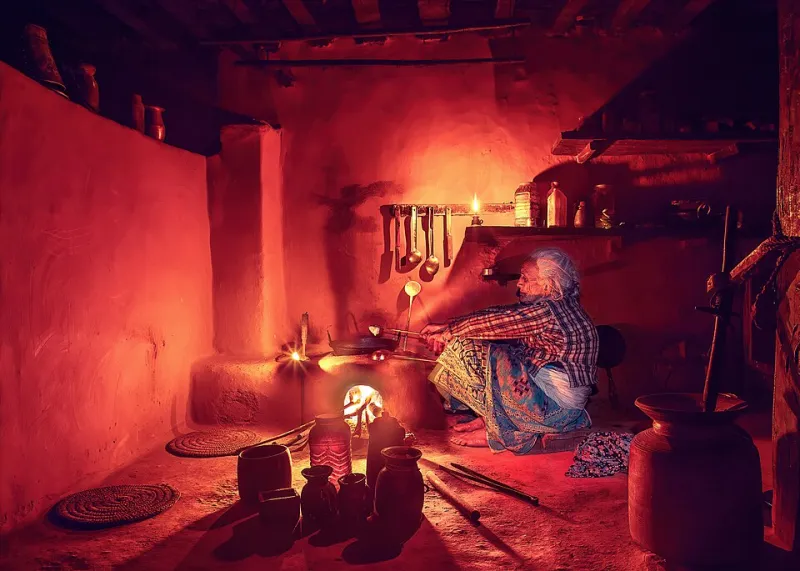
Photo: Original: Mithun Kunwar Derivative work: Radomianin, CC BY-SA 4.0, via Wikimedia Commons
Every culture has a gatekeeper. For Vietnamese families, it's the grandmother. She can taste the difference between fish sauce from Phú Quốc and the supermarket stuff. She notices when the altar has the wrong fruit arrangement. And if she caught you playing a slot game that claims to celebrate her heritage but gets the details wrong? She'd have opinions. Loud ones.
So we did something a little ridiculous: we played the most popular Vietnamese and broader Asian-themed slots available to US players and graded them against what we call the Bà Test — the imaginary approval of a discerning Vietnamese grandmother. The results ranged from genuinely thoughtful to downright embarrassing.
What Actually Counts as "Getting It Right"
Before the report card, some ground rules. Authenticity in slot design isn't about slapping a red-and-gold palette on the reels and calling it a day. A real understanding of Vietnamese culture shows up in the details:
- Correct symbols. The lotus, the koi, the chrysanthemum, the bamboo grove — these carry specific meanings. Mixing in Chinese lions or Japanese torii gates is a dead giveaway that a designer didn't do the homework.
- Accurate food. Yes, bánh mì shows up in these games. No, a baguette stuffed with what appears to be shredded lettuce and a tomato slice is not bánh mì. Bà would know. We know.
- Sound choices. The đàn bầu's wavering single-string voice, the beat of a festival drum — these are distinct from the gongs and erhu plucks that get recycled across every generic "Asian" slot.
- Typography and language. Vietnamese uses a Latin alphabet with diacritics. When a game renders fake-looking calligraphy instead, it signals the art team worked from stereotypes, not research.
With that rubric in hand, here's how the field shook out.
The Honor Roll: Games Bà Might Actually Play
A handful of developers clearly consulted someone with real cultural knowledge, and it shows. The standouts get the small things right: a bánh chưng rendered with the proper banana-leaf wrapping, a soundtrack that layers in the đàn tranh zither instead of a stock gong hit, bonus rounds built around Tết traditions like lucky money envelopes (bao lì xì) rather than vague "fortune coins."
One title we tested even nailed the áo dài details — the high collar, the flowing panels — on its female character symbols, rather than defaulting to a generic qipao silhouette. That's the kind of specificity that separates homage from costume.
The best games on this list also resist the biggest cliché in the genre: the screaming golden dragon. Vietnamese aesthetics lean more toward the serene — lotus ponds, rural landscapes, the lantern glow of Hội An. When a developer trusts that quiet beauty instead of maximum red-and-gold chaos, you can feel the difference in the first thirty seconds of play.
The Middle of the Class: Harmless, But Generic
The bulk of Asian-themed slots land here. Nothing offensive, nothing researched. These games use a shared visual vocabulary — koi, coins, fireworks — that could belong to any East or Southeast Asian culture. It's the casino equivalent of ordering "Asian fusion" from a food truck: technically edible, culturally anonymous.
There's no reason to avoid these games if the math and bonus features are fun. Just don't expect them to evoke any particular place. Bà wouldn't be insulted, but she wouldn't be impressed either. She'd call them "được" — acceptable — with a shrug that says everything.
The Fail Column: When the Dragon Is the Whole Résumé
Then there are the games that clearly started with a marketing memo reading "make it Asian" and stopped there. Red flags we spotted during testing:
- Mismatched cultural symbols crammed onto one reel set — a Chinese lion dancing next to what's supposedly a Vietnamese market scene
- Food symbols that look nothing like the dish they're named after (one game's "phở" bowl contained what we can only describe as yellow spaghetti and a single sad meatball)
- Bonus rounds that conflate Lunar New Year, Mid-Autumn Festival, and random "lucky numbers" into one incoherent fortune smoothie
- Voiceover work that butchers the few Vietnamese words it attempts
These games aren't malicious — they're just lazy. And laziness around culture tends to correlate with laziness elsewhere. If a studio couldn't be bothered to check what bánh mì looks like, we'd gently suggest checking their RTP documentation twice, too.
Why Any of This Matters to a Player in Texas or California
Fair question. If you're not Vietnamese, does authenticity change your session? Honestly — yes, and here's how.
First, games built with genuine cultural care tend to be built with genuine care, period. The studios that sweat the details on a lotus petal usually sweat the details on bonus mechanics, mobile performance, and fair payout structures. Craftsmanship is a habit.
Second, authentic games are simply more interesting to play. Learning the meaning behind the symbols — why the koi represents perseverance, why the lotus rises clean from muddy water — turns a mindless spin session into something with a little texture. It's the difference between visiting a place and looking at a postcard of it.
And third, for the hundreds of thousands of Vietnamese-American players from San Jose to Houston to New Orleans, these games aren't just entertainment. They're a small echo of home. When a developer gets it right, that matters. When they get it wrong, it stings in a way a generic dragon never could.
Your Cultural Literacy Checklist
Before you load up the next dragon-heavy slot, run it through a quick version of the Bà Test:
- Look at the food. Does it resemble actual Vietnamese cuisine, or a vague noodle-adjacent blob?
- Listen for thirty seconds. Is there a real instrument in there, or just gong percussion on a loop?
- Check the alphabet. Any Vietnamese text should use proper diacritics — ă, ơ, ế — not approximations.
- Notice the palette. Vietnamese design tradition uses deep reds and golds, but also blues, greens, and whites. Wall-to-wall crimson suggests stereotype, not study.
- Read the bonus round. Is it tied to a real tradition, or just "Lucky Fortune Dragon Money Win 88"?
Score four or higher and you've found a game a grandmother might grudgingly respect — right before she tells you to stop wasting money and call your mother. Some things no slot developer can fix.