Turn the Volume Up: The Hidden Soundtrack of Vietnamese-Themed Slots

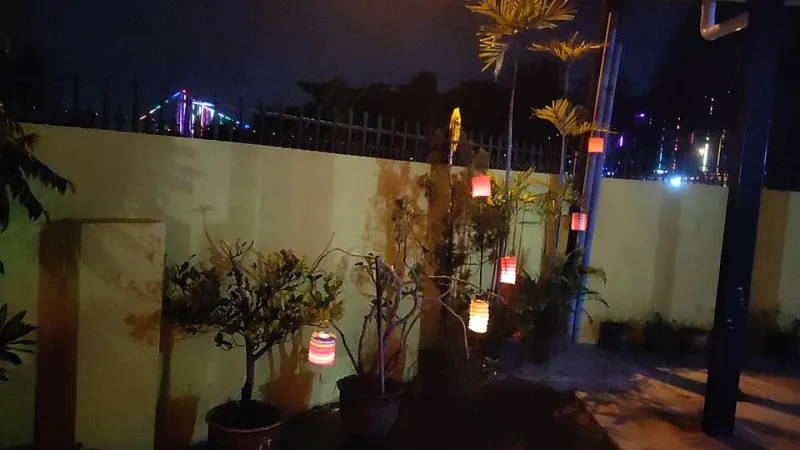
Photo: Ella's Art, CC0, via Wikimedia Commons
Close your eyes and picture your favorite slot. Chances are, you didn't picture the paytable — you heard it. The rising chime of a near-miss, the drumroll before a scatter lands, the sudden burst of a bonus round fanfare. Slot audio is the most underrated piece of game design in the industry, and in the Vietnamese-themed corner of the market, it's quietly becoming a competitive edge.
Why Your Ears Spend More Than Your Eyes
Game studios have known for decades that audio drives behavior. Studies on gambling psychology going back to the early slot floor era showed that players rated near-misses as more exciting — and played longer — when celebratory sounds accompanied losing spins. Modern slots have refined this into a science: every spin gets a soundscape, every win gets a crescendo, and every near-miss gets just enough musical tension to keep your finger on the button.
Sound also sets pacing. A fast, percussive loop pushes you toward quicker spins. A slower, melodic track — think flowing water, bamboo flutes, soft strings — encourages longer, more relaxed sessions. Neither is inherently good or bad for you as a player, but knowing which one a game uses tells you a lot about how it wants your session to go.
The Vietnamese Sound Palette
What makes Vietnamese-themed slots distinctive is the source material. The region's traditional music is built on instruments Western players don't hear every day: the đàn bầu (a monochord zither that bends notes with a flexible tone), the đàn tranh (a plucked zither with a shimmering, cascading sound), bamboo flutes, and the deep resonance of wooden frogs and water drums. When a studio actually records or samples these instruments instead of reaching for a generic "Asian mood" preset, the difference is obvious within ten seconds.
The best titles in the genre layer this palette over modern production. A base game might hum along with a gentle đàn tranh arpeggio and ambient river sounds — a nod to the Mekong Delta or a floating market at dawn. Then the bonus round hits, and everything shifts: gongs, firecracker pops, a pentatonic fanfare that swells with each multiplier. The contrast between calm and celebration is the whole emotional arc of the game, and it's carried almost entirely by audio.
The worst titles, by contrast, use a pan-flute loop that could soundtrack a massage parlor in Omaha. Nothing in the audio says "Vietnam" specifically — it just says "Asia, vaguely." Players notice, even if they can't articulate why a game feels generic.
What the Good Ones Get Right
A few patterns separate the standout soundtracks from the filler:
- Authentic instrumentation in the base game. The zither and flute textures should be there from spin one, not saved for the bonus.
- A distinct bonus identity. When the dragon wild or lantern scatter triggers, the music should change completely — new key, new tempo, new energy. That sonic shift is what makes a bonus feel like an event.
- Win sounds scaled to win size. A 0.2x win shouldn't trigger the same triumphant blast as a 50x hit. Studios that scale their celebration audio honestly (rather than hyping every small return) build more trust with players.
- A mute-friendly mix. Ironically, the best sound design survives being turned off. If the game's visual feedback is strong enough, you can play on mute at midnight without losing the plot.
What This Means for Your Sessions
Here's the practical takeaway. Audio is engineered to extend your play — that's its job. Being aware of it doesn't ruin the fun; it puts you in control. If you notice a game's soundtrack pulling you into "one more spin" territory faster than usual, that's your cue to check the clock and your balance, not the game's fault any more than a bakery is at fault for smelling like bread.
On the flip side, use audio as a quality filter. A Vietnamese-themed slot with a lazy, generic soundtrack usually cut corners elsewhere too — in its bonus design, its animations, its math. Studios that invest in authentic đàn tranh samples and a proper bonus fanfare tend to invest everywhere. It's not a perfect rule, but it's a surprisingly reliable shortcut.
So next time you load up a lantern-and-dragon title, do yourself a favor: headphones on, lights down, and actually listen. The soundtrack is telling you something — about the game, and about you.